AA (VIC) REPRESENTATIVES RECENTLY ATTENDED
TOURISM AUSTRALIA’S DESTINATION AUSTRALIA EVENT IN SYDNEY.
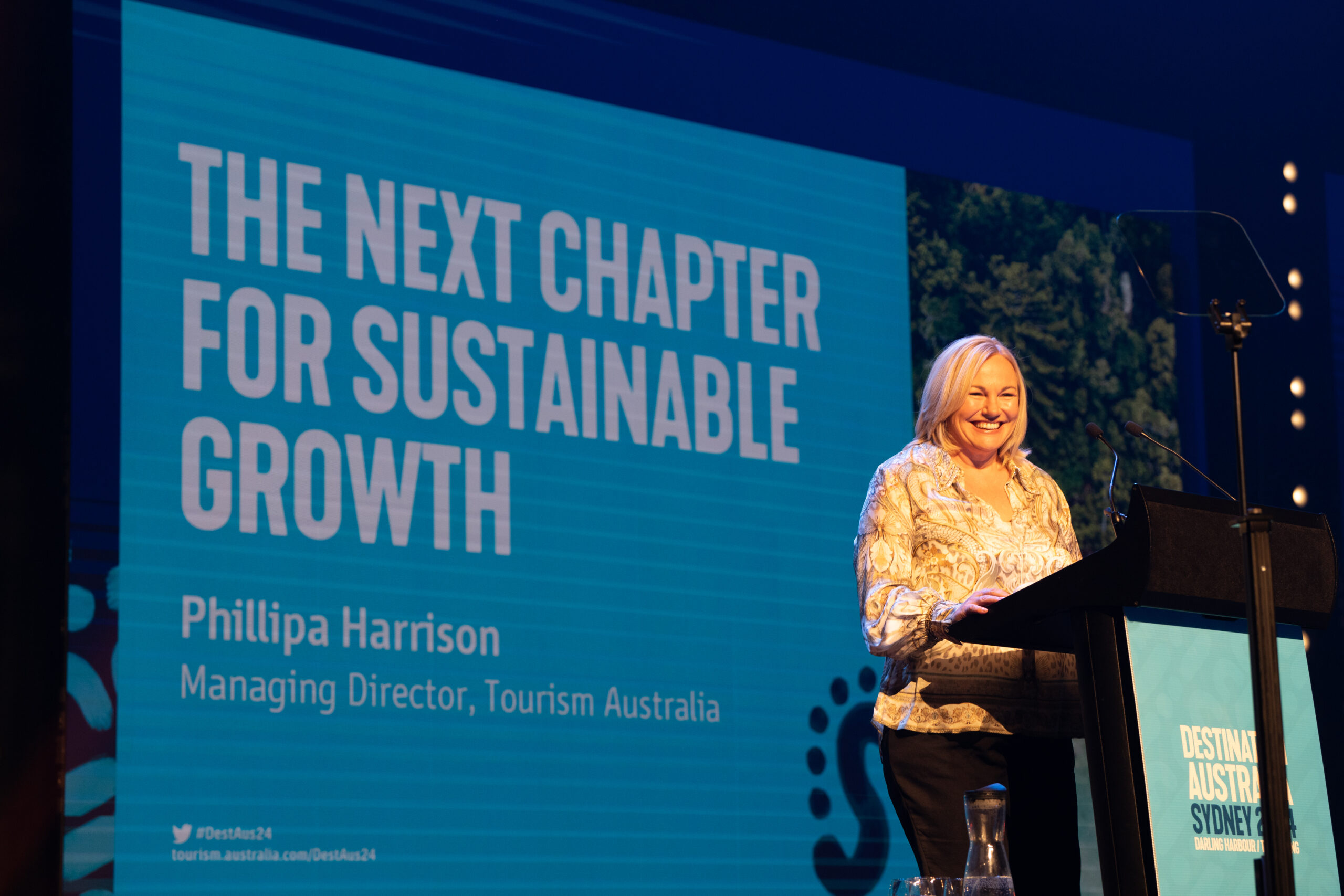
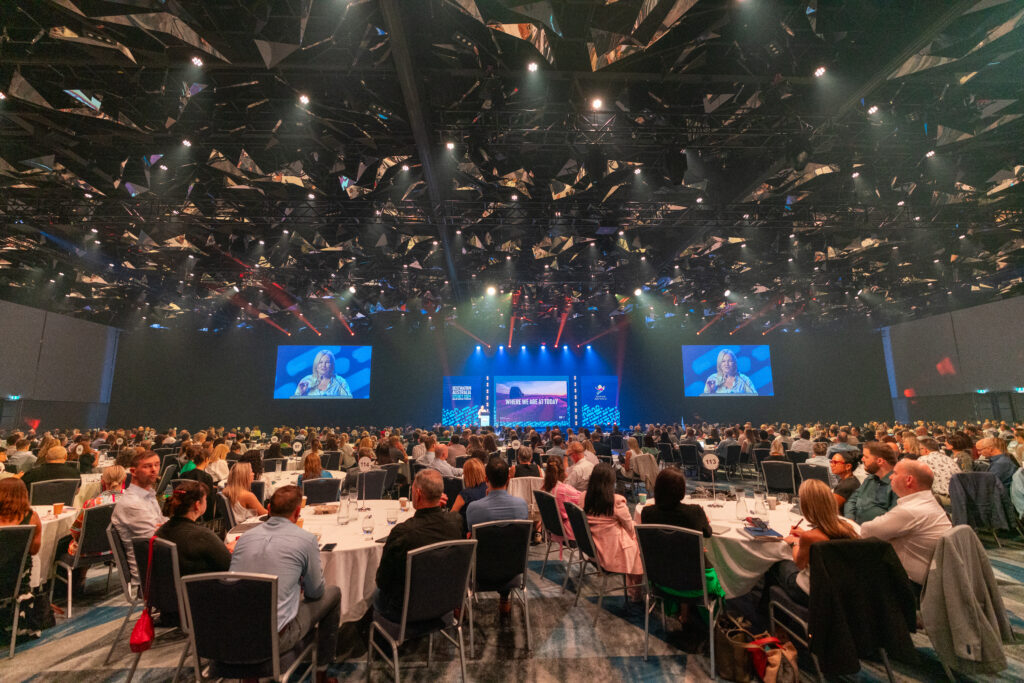
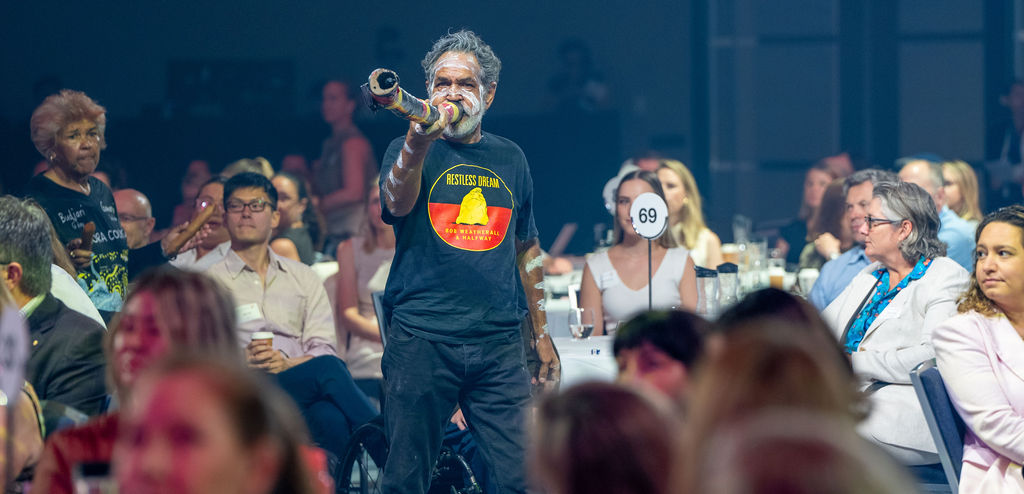
The event, themed “The next chapter for sustainable growth,” enabled key stakeholders across Australia’s visitor economy to come together and focus on future trends and considerations in Australian tourism.
In the first of a two-part review, AA (Vic) outlines ‘key takeouts’ from the day across:
- Emerging travel trends
- Diversity and Inclusion considerations
- Marketing campaign update
- Existing vs future demand – different approaches for conversion
Emerging Travel Trends (SKIFT)
Experiential Travel
- Travellers are still very keen to embrace experiential travel and ‘reconnection’ post-pandemic. Experiential travel seen as the next ‘multi-billion dollar’ travel trend.
- Taylor Swift’s Eras Tour – huge experiential travel drive. Good for our sector – typical fans too young to travel alone, so group travel prominent.
- Celestial travel in vogue – 4m people are expected to travel to see the solar eclipse in the USA (early April 2024).
Demographics and Destiny
- Rise of the Indian middle class on the international ‘travel stage’ is prominent and will have a large positive impact on travel behaviour.
- 1.4b population in India – 65% of the population are now middle class, many under 35 years old – young, able and want to travel.
- 700m new middle-class travellers will now be active across the globe. The brightest long term growth is in the mid-tier hotel market, with properties focusing on consistent delivery of the essentials.
- Midscale hotel sector – definitely a “honey pot for future growth,” given this rise of middle- class travellers.
Technology and AI
- Ageing travel populations will need technology solutions to assist them to travel.
- Ageing travellers – 20% will be over 65 by 2054.
- Robotics will play a role – robots delivering room service, collecting and carrying bags.
- AI will assume low level knowledge work tasks – e.g. reservations.
- Chat bots – can be useful, but there’s a need to ensure they don’t give bad or incorrect advice, for example, on hotel policies.
Wellness
- Wellness an increasingly prominent feature of luxury travel – e.g. bio hacks to create the most optimal room environment (temperature, meditation, sounds, nutrition, and supplement infusions) to optimise a guest’s physical wellbeing.
- Wellness and environments that aid peak performance will be prominent across the luxury hotel scene. Note Equinox Hotels (large health club operator, now into the hotel space) in New York.
- Travellers having gone through significant personal transformation journeys (e.g. significant weight loss through the use of GLP-1 drugs that treat diabetes and obesity), are now highly motivated to travel in ways they previously weren’t able to – more active and adventure focused.
- Many of these travellers will take money they previously spent on food and spend it on travel instead – good for our sector!
- Adventure travel/experiential travel will be more popular, as a result. “I couldn’t do this when I was at a heavier weight, I can and will do it now!”
Diversity and Inclusion (Panel)
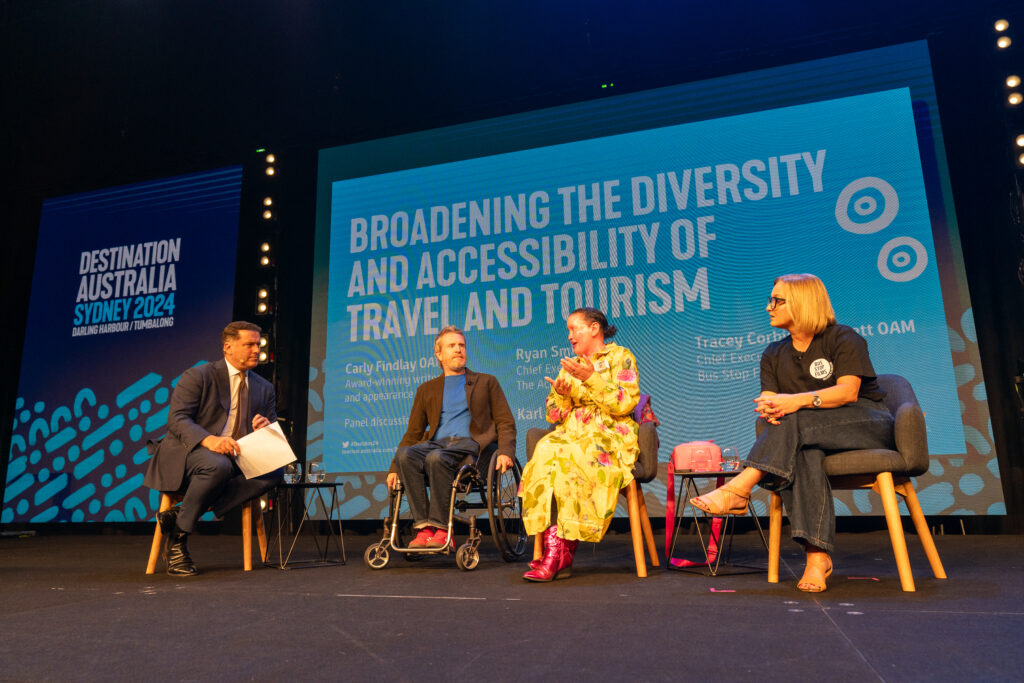
- Travel for people with a disability can be frustrating and exclusionary. Good customer service and consistency of treatment across all traveller types is critical. Maintaining dignity is key!
- Many of these travellers have great desire and great intent to travel (sector worth $3.3b annually in Australia). Operators shouldn’t deny these travellers the experiences they crave.
- Operators should not get ‘tripped up,’ worrying about language used to describe these travellers. Intent and action to accommodate them should be the main focus!
- It’s OK, relevant and appreciated to ask people about their accessible travel needs, before they visit.
- There’s a “massive appetite” for diversity and inclusion in marketing activities and storytelling. There’s “no greater agent for social change” than this content that helps to change perceptions.
- Audiences now demand diversity and authenticity in this messaging.
- Inclusion Awakening – now very real. An appreciation that we all see the world in a different way and it’s important to bring everyone along.
- Poorly/not considering the needs of travellers with a disability doesn’t make good business sense and ‘leaves dollars on the table!’
- When creating a new guest/traveller experience – ‘bake in’ inclusion considerations at the outset. Difficult and expensive to consider these needs later. Don’t be scared, just make a start!
- Disability access provisions don’t currently move at the same pace as other marginalised groups (e.g. the needs of Indigenous people). People with a disability need to be prioritsed too. “Let’s achieve dignity among human travellers prior to promoting dignity with pet travel!”
Marketing Update (Tourism Australia)
- Australia’s main international competitor travel destinations – New Zealand, Canada, Hawaii and Japan.
- TA’s key intent – generate travel demand. Grow consideration to travel to Australia – this is closely linked to market share achieved.
- Breadth of travel experiences and consistency in delivery is key. Breadth is strongly linked to a traveller’s perception of value.
- Australia must tell richer, deeper stories to effectively compete – showcasing vibrant cities, our awesome outback and our rich Indigenous culture, for example.
- In doing so, it’s critical to understand a consumer’s behavioural drivers that lead to purchase decisions, their needs and any existing perceptions of our destination (e.g. “It’s a long way to come!”)
Existing vs. Future Demand – different marketing approaches
- When developing marketing messages it’s critical to understand the distinction between existing demand (in the market and ready to buy) vs. future demand (not yet ready to buy, but will enter the market in the future).
- People buy brands they feel familiar with (familiarity bias), hence it’s critical to make your brand feel familiar to them, to encourage future purchase.
- Human brains are hardwired to warn us away from things that are unfamiliar.
- Purchase intent becomes higher with a higher degree of product/service familiarity.
- Effective marketing should convert existing demand and create future demand. Completely different strategies are required to achieve each of these outcomes.
- Future demand (not ready to purchase yet) Need to plant positive memories in the heads of future consumers. Creativity and emotion are required to reach a wider audience.
- A classic example of this approach was a Volvo trucks ad using Jean Claude Van Damme to demonstrate key product features (class leading vehicle stability).
- These very creative ads are seven times more effective at driving market share at the same level of marketing spend!
- Rational ‘product features and benefits’ ads are good at converting existing demand (ready to buy now), but won’t build awareness and purchase intent with future buyers, a much larger audience.
- Consumers can’t help “but believe better of brands they feel emotionally closer to.”
- Emotional ads drive greater brand connection and profits (able to charge higher prices, more readily accepted by consumers).
- Attracting future purchasers requires targeting a broader potential customer base, appreciating it’s uncertain how many will actually decide to buy.
- Even instantly recognisable brands (Amazon, Google and Airbnb) spend billions of dollars on brand building, to create a strong funnel of future demand.
- Brand building makes companies larger and more valuable.
- Consumers who feel emotionally positive toward a brand can feel gratitude toward it and are happy to pay more for it!
- Typically, a spend of 60% of a marketing budget on brand building (future demand) and 40% on performance marketing (to convert existing demand) is appropriate. However, as a brand becomes more mature, the ratio of spend on brand building needs to increase.
Look out for Part 2 of this review that will address Tourism Australia’s primary areas of focus across 2024, including key markets of interest and key future considerations for sustainable tourism growth.