
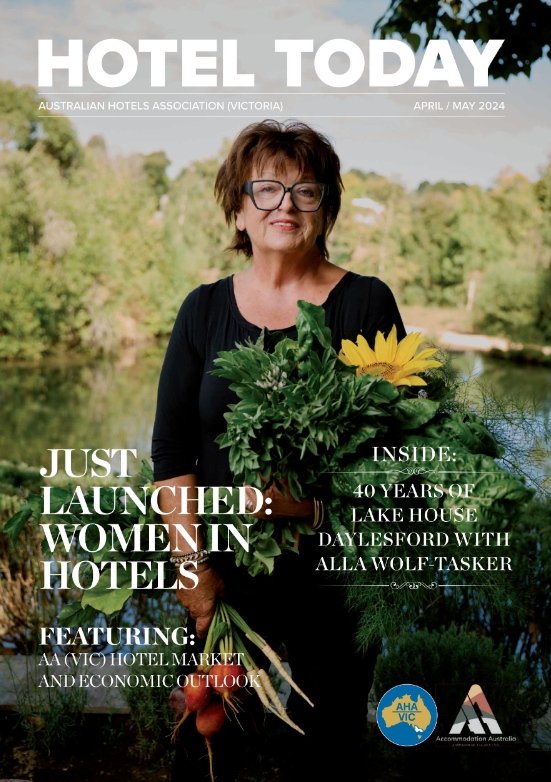
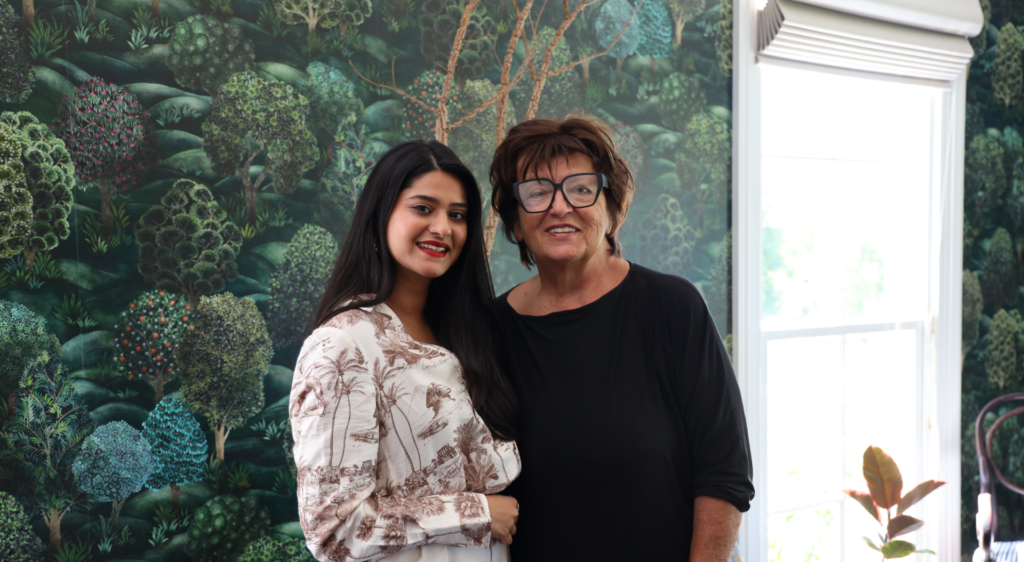
In the heart of Daylesford, Victoria, lies a culinary sanctuary that has stood the test of time and captivated the palates of diners for four decades. Lake House, founded by the visionary chef Alla Wolf-Tasker, is not just a restaurant; it’s a testament to innovation, sustainability, and an unwavering dedication to hospitality. I visited Lake house to meet both Alla and her daughter Larissa Wolf-Tasker, Brand Manager of Lake House to uncover secrets to what makes the property so special to their customers.
Lake House’s journey began in 1979 when Alla and her husband Allan Wolf-Tasker, purchased a humble paddock with a dream. Alla described it as a blend of blind ambition with a relentless passion, saying, “When I think about what I wanted many, many years ago, the dream was so far removed from the reality of what we purchased. We purchased just a paddock. Apart from the wrong location, the wrong timing and not thinking why no one else did it at the time, we also had no money, she giggled.” In 1984, their dream became a reality as Lake House opened its doors to the world, marking the beginning of a remarkable journey for the Wolf-Tasker family. Reflecting back at the support she received from her late husband, Alla said, “I had a husband who told me that if he could draw it then, he could build it, and when I said to him that I wanted a country restaurant, he said why not.”
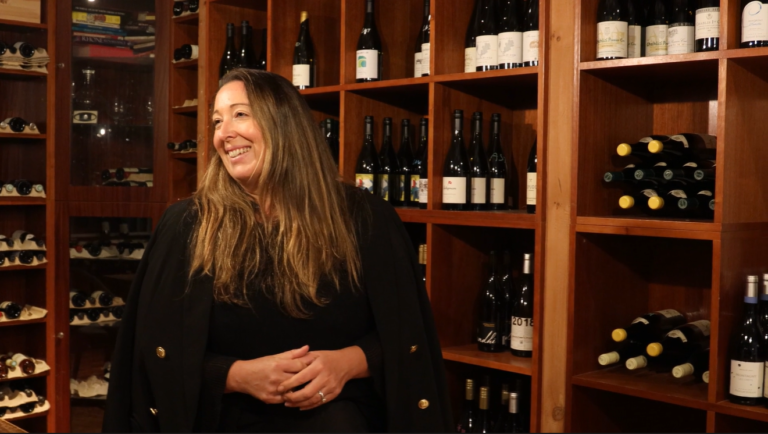
For her daughter and Brand Manager Larissa Wolf-Tasker, the venue represents more than just a restaurant; it’s a legacy to be cherished and preserved. “Lake House in 2024 is celebrating its 40th anniversary. Since it was bought, the property has developed in a very slow and organic fashion,” she said. “The vision was never to have a property that would one day be a member of the Luxury Lodges of Australia, it was in fact to have a destination restaurant. Over the past 40 years, the evolution of the business has been an answer to the demands of our long-term returning guests who have been supporting us since day one. Those that we have fostered great relationships with along the way,” she said. Larissa keeps track of the current trends shaping the tourism industry, yet she maintains that Lake House’s success is not defined by conforming to these trends. Instead, she emphasises the importance of responding to guests’ needs by observing and understanding how individuals prefer to unwind, reconnect, and indulge in leisure experiences.
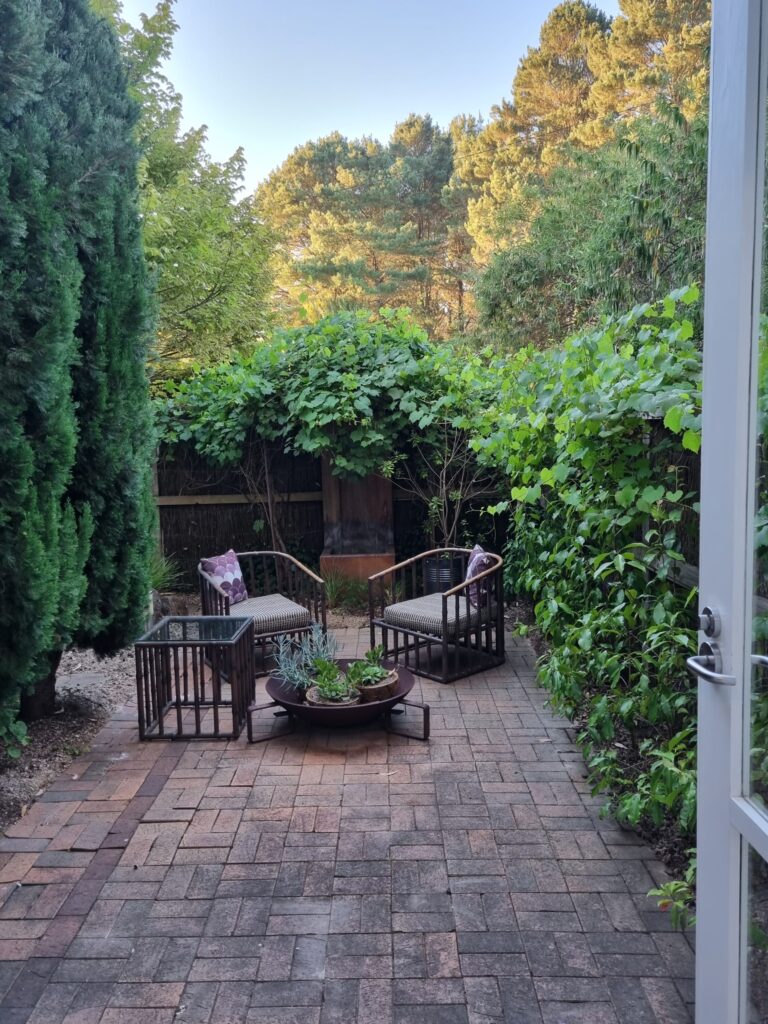
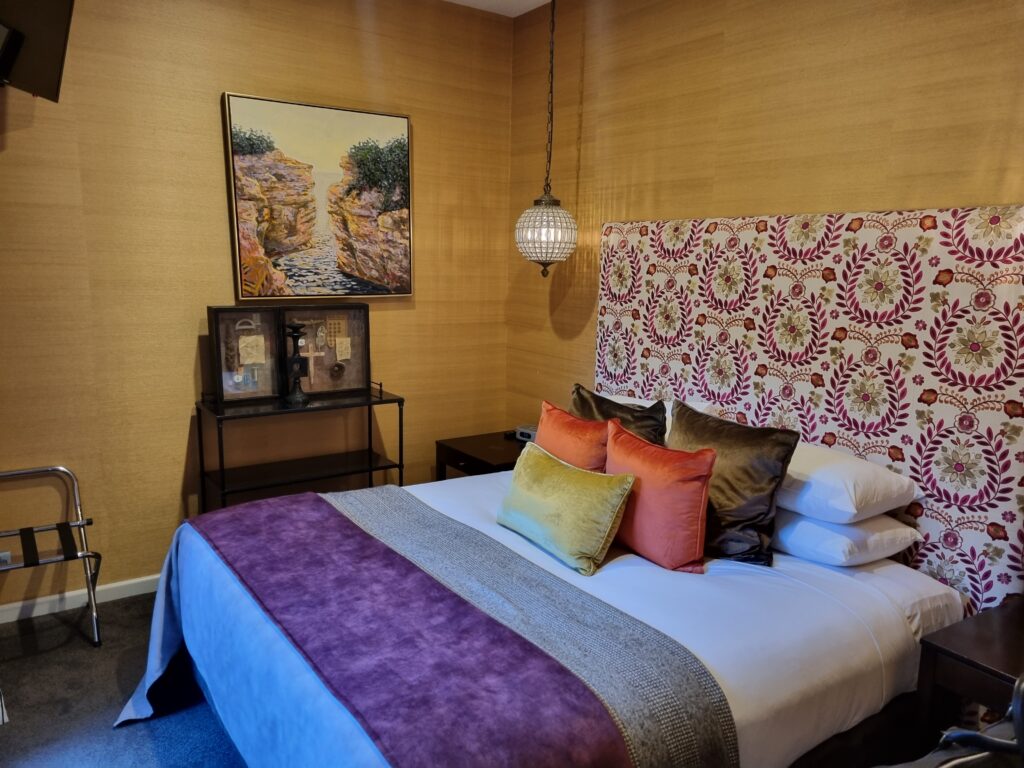
During our stay at Lake House, we were surprised by the number of charming elements that filled the Atrium Villa. The villa boasts the ambiance of a cozy country-style lodge, yet exudes elegance and sophistication. The walls are adorned with artworks created by the late Allan Wolf-Tasker, and vintage collectibles are placed in noticeable corners of the villa. In the kitchen, there was fresh bread from the venue’s own bakery, located at the nearby Dairy Flat Farm. Our villa was equipped with modern amenities, including Nespresso machines and a flat-screen TV, ensuring a seamless blend of contemporary convenience and rustic charm throughout our stay. Speaking on the interior design that adorns the property, Larissa said, “We make decisions that are largely emotional, and we hope that as a result, they connect with the people that are visiting us. Our DNA is present in every corner and character of the rooms, and it’s almost like we are sharing our country house with them.”
What sets Lake House apart is not just its exceptional cuisine, but its deep-rooted connection to the land and the community. Alla’s pioneering efforts in sustainable dining practices have set a new standard for the industry, inspiring a generation of chefs and restaurateurs to embrace a farm-to-table ethos. At Lake House, every meal is a celebration of local produce, lovingly sourced from nearby farmers and artisans. Reflecting on the remarkable evolution of the Australian food scene over the years, Alla said, “It’s a little bit about being immersed in your region, and what differentiates one region to another. Surely one of the primary things is the food you’re able to produce locally, but in order to do that, you have to have a band of small producers around you, so if you can develop that, that’s good culturally for the future of agriculture. They’re regenerative farmers, they believe in what they’re doing, they’ve got a similar passion about what they do, like we have in the hospitality industry, so It’s a win-win.” When speaking about the regular farm tours that take place at Dairy Flat and how guests have received it, Alla’s response was, “You know it’s fascinating how much the world has now jumped onto that idea and that notion. I thought no one would want to come in the middle of winter when we run tours. I assumed that the guests were going to sit in their rooms, watch movies, or order room service in the cold. Surprisingly, they put their boots and raincoats on, they listen to what Pedro (resident farm manager) tells them about what we are growing and what they’re going to have on their table tonight. You know, they’re really fully immersed in it, so for someone like me who has been doing it for so long, it’s an absolute joy!”
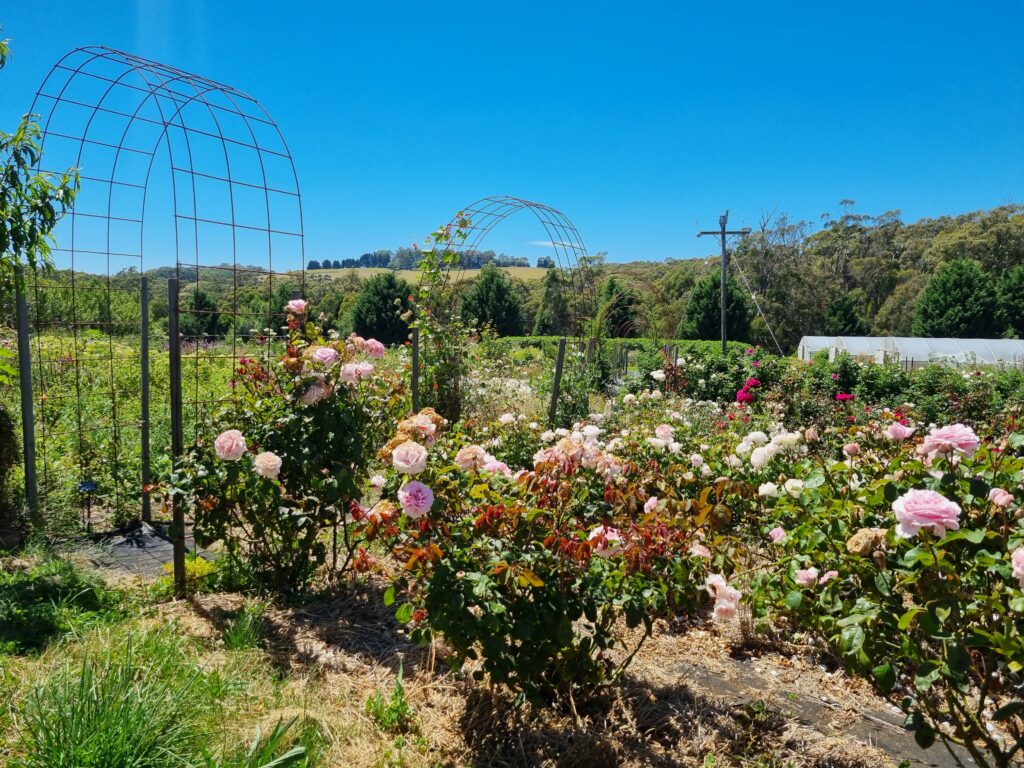
Lake House’s commitment to sustainability extends beyond the kitchen, as they also offer regular farm tours at Dairy Flat. Guests are invited to embark on a journey through the farm, where they can witness firsthand the journey from paddock to plate. There are also add-ons like the bee-keeping class and sourdough making class subject to availability. It’s part of the property’s commitment to transparency and an attempt to preserve their culinary traditions. The respect for local farms and education surrounding sustainable growing techniques run strong within the family and all the staff that work at Lake House. I asked Alla about what she thought about Lake House being described as an ‘overnight success story, 35 years in the making,’ by The Age in 2018, and she emphasised, “It takes a lot of passion, hard work, financial gulps. You’ve got to think, “These are the most expensive potatoes I’ve ever bought.” “But at the end, you can tell people with pride where the stuff they’re eating comes from, the flour that was milled inside this bakery, who grew this wheat, the fact that there are no pesticides on any fruit or veg they have consumed. You can tell them, hand on your heart, and know that it’s true,” she said with pride.
One thing is evident, Alla does not shy away from discussing the tough times she faced in her personal journey, acting as a reminder for budding entrepreneurs on understanding the real challenges the industry faces. “It’s really interesting how hospitality draws people who are passionate and a bit crazy. All I had seen in France were places that were beautiful, and I wanted to do them exactly the same. It was such a ridiculous notion. I mean, people drive into Lake House now and think, ‘Oh, it’s a resort, it’s got pools, it’s got a two-hat restaurant,’ and so on. They don’t realise that we started as a little 45-seater with one gum tree, no garden, and a swamp at the bottom.” Her voice resonated with urgency, “I really hope that this thing of growing your own food isn’t a fad,” she asserts. Emphasising the critical need for self-sufficiency and community-driven food production, Alla took us back to the dark days of the COVID-19 pandemic, as disruptions to the supply chain exposed the vulnerabilities of traditional food systems. She said “When the supply chain stopped, the shelves were empty in the supermarkets suddenly. However, we kept producing vegetables and bread because we could do takeaways so that the local community could have them.” “Oh, and we made a lot of soup too,” she said as she giggled.
For Alla, the plight of farmers occupies a central place in her advocacy. “Farmers stopped being a really critical, important part of our hierarchy at some point,” she laments.” If you have a child and they’re going to be a doctor or a lawyer, everyone goes ‘bravo’ but if you say they’re going to be a farmer, some might think ‘hmm.. can’t be very bright.’ So, it is really important that children are exposed to the people who produce our food, so that they understand that this is someone really important in our community hierarchy.” She boldly states, “Even if you just grow tomatoes in a tub at home, it goes against what some people say about farming.” It’s hard to ignore Alla’s call for a focus on the basics of growing food, ten minutes into our conversation I was convinced to start a veggie patch in your backyard.
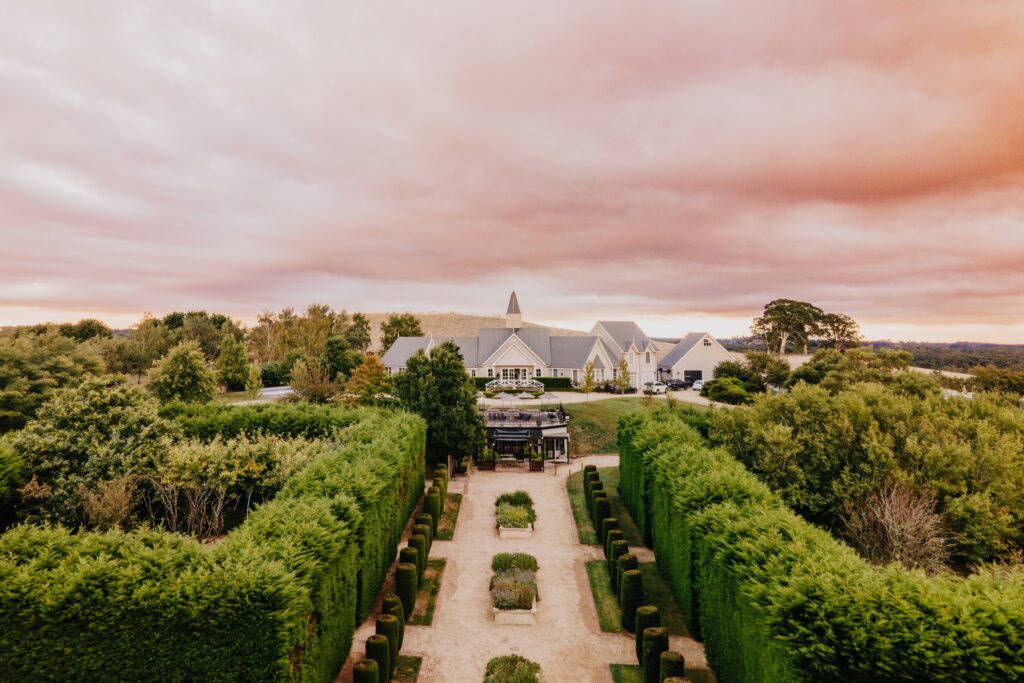
On our walk back to the villa Larissa reflected on the enduring principles instilled by her mother over the years. She said “One thing that I have absolutely noticed is that she an unwavering commitment to those core values. The values and philosophies that she started with in the 1970s and early 1980s when they were opening Lake House, have remained consistent. I think as a brand, as a business, that consistency matters. The visual may change, the infrastructure changes, the team changes, you obviously evolve with the times, but that unwavering commitment to hospitality and that level of knowledgeable professional service and integrity to produce and sense of place, has kept us very grounded in what we need to deliver and how we deliver it. So even as we find those solutions, even as we do evolve, it always needs to stay true to those original values and I think that has built the foundations of a very strong business.”
In a world that’s always shifting, Lake House remains rooted in its original values. This ensures that every guest enjoys a special experience that reflects these principles. It’s all about maintaining a high standard of excellence, making Lake House a favourite destination for many.