
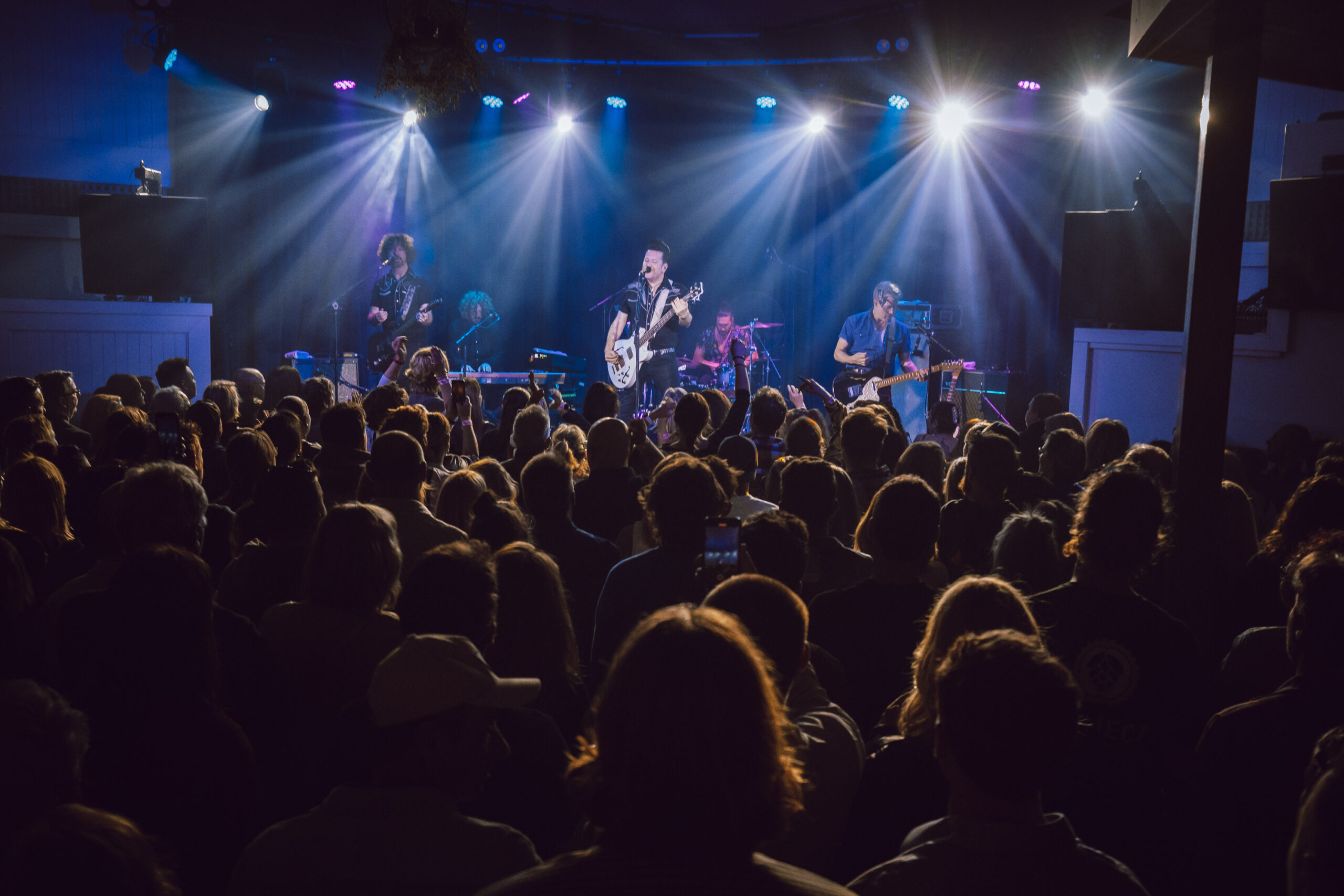
Venues that play live music have typically struggled to make ends meet when playing to limited crowd numbers – often times pubs, having a basis of food and beverage sales, have bridged that gap. And what an important gap it is.
Before musicians or bands can dream of platinum albums and sold-out stadiums, they need to start somewhere. Pubs that host live music played the crucial role in giving up-and-coming musicians a space to cut their teeth, while also providing an opportunity for eager patrons to enjoy new, live music.
When local live music is strong, it benefits not only publicans, musicians, and patrons, but the entire cultural fabric of our state as well.
However, over the past decade, the financial situation for putting on these gigs has rapidly deteriorated.
Costs have skyrocketed, with some pubs experiencing 500% increases in insurance premiums.
Further adding to costs are crowd controller requirements, with some venues spending 30% of their revenue on security personnel. These issues, coupled with a cost-of-living crisis experienced by patrons, has forced more than 300 live music venues to close their doors since 2018.
Luke Hindson, Senior Programming Manager of the Barwon Heads Hotel, a regional live music pub institution, stressed the importance of live music’s impact on community: “We’re grateful to have seen firsthand the benefits that live original music brings to our regional communities. We see people coming together, socialising, and connecting over art – and that makes us incredibly proud.”
More Than Money: A Cost to Culture
Victoria prides itself on being the ‘arts and cultural capital’ of Australia, a pillar which is upheld by an untold amount of small, independent pubs imbuing creativity into all facets of our state.
As Luke notes, “Our audience is broad. We sell tickets to people of all ages and walks of life, and there’s a unique energy that vibrates through the town whenever we host a show. Restaurants and accommodation venues fill up, and the whole place comes alive.”
A live music pub faces a lot of operational and logistical challenges that many venues wouldn’t be familiar with, but, as any operator will tell you, it’s more than worth the extra effort when you see it all come together.
“We often stand in the venue and hear people’s stories – how far they’ve travelled, who they’ve come to see, and how excited they are that we’ve brought a particular artist to the region. Watching it all come together is deeply rewarding.”

Just about every live music pub looks beyond the balance sheet when considering music as it can be difficult to quantify the passion at the heart of what they do and why they do it.
But in saying that, putting on live music can be, at times, challenging: “The biggest challenge we face running a small live music venue is the rising cost of doing business. Some of these costs are fair and unavoidable – but others are nonsensical and need to be addressed.”
“A prime example is the mandatory security requirements. We can screen a UFC fight or a football game in our public bar with no security guards on site, yet if we host an acoustic performer on a Sunday afternoon, we’re required to hire multiple guards – often costing hundreds, even thousands of dollars.”
“These unnecessary expenses make it near impossible to run smaller community-focused events. There are so many local artists we’d love to support and give a stage to, but the current regulations make these shows financially unviable.”
Luke points to the community and cultural impact of a struggling live music scene: “One piece of feedback we often receive is from parents who are grateful their kids have somewhere safe to go at night, that they’re seeing live music
locally rather than trying to make their way home from Melbourne or Geelong at 4am.”
At a time when live music is already under pressure, it’s crucial that policies support – not stifle – small, independent venues trying to keep local culture alive.”
Other venues have noted that price rises on either drinks, food or tickets could become a commonplace solution – shutting out music goers, and damaging Victoria’s cultural output.
Adapting to Change
Music, and its operation, has changed rapidly over the past few decades.
Tapes quickly gave way to CDs, which in turn gave way to completely non-physical access to music.
Luke has worked diligently to adapt to these changes: “Popular music styles are always changing, but a few things remain constant. People might spend
$500 on a Taylor Swift ticket once a year, but what they really want are more nights out with friends at their local – something to look forward to.”
“Our role as a venue is to make sure those experiences are high quality and good value. When we get that balance right, it strengthens community, supports artists, and keeps live music culture alive.”
Pubs that put on live music exist in a unique ecosystem, one that many others would never really interact with. Booking agents, sound engineers, promoters – to name a few – are regular stakeholders of the Barwon Heads Hotel. While
these extra factors can cause heavier workloads and more complications, the impact on the broader cultural landscape cannot be understated.
Stadium gigs and large music events are most certainly a boon for Victoria, and a reflection on its ability to draw the very best from around the world. But we must take a moment to remember, and protect, the pubs that week-by-week pour their blood, sweat and tears into keeping the very heart of our live music scene alive.
“When the local pub hosts live original music, everyone turns up – the football team, parents, grandparents. Having accessible art available to all can genuinely change the fabric of a town and inspire people in the most unexpected ways.”