
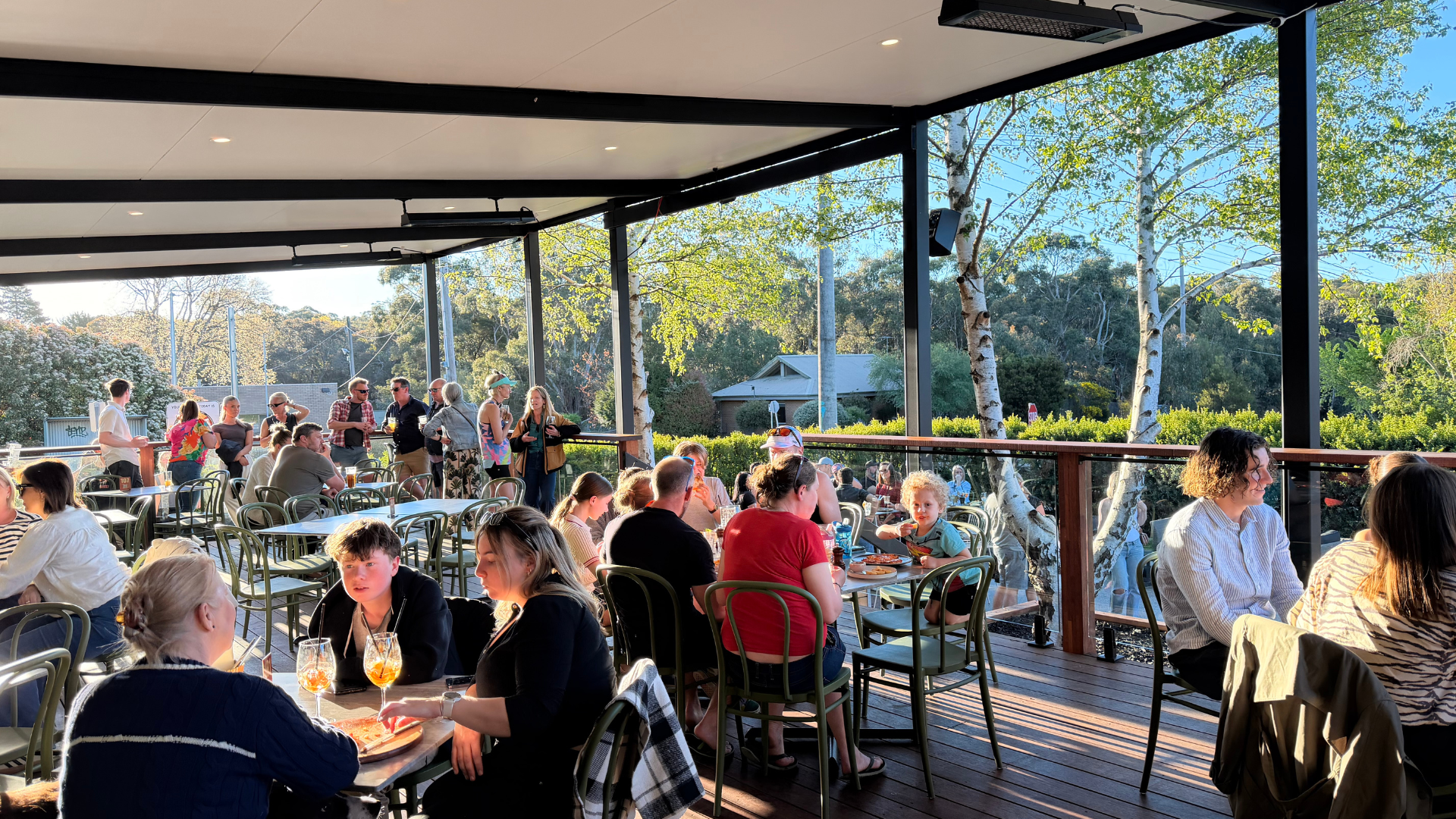
Just 45 minutes from Melbourne, the Macedon Village Hotel sits in-between city and country. It’s a pub where locals are put first but also attracts many visitors. The bar sings with Monday night members’ draws and Friday night Joker Poker, and weekends bring day-trippers and wine lovers from across Victoria.
Publican Sally Gebert says the trick to success in a peri-urban venue is understanding that you can’t be one or the other, you must be both. “We do a lot for the locals midweek,” she says. “We run community nights and fundraisers, members’ draws, Joker Poker, all the things that keep the local community connected to their pub.”
While three-quarters of their patrons are locals, the venue’s social media tells another story: a strong following from Melbourne, where the Macedon Village
Hotel is increasingly seen as a must-stop destination for a day in the ranges.
A Pub With a View
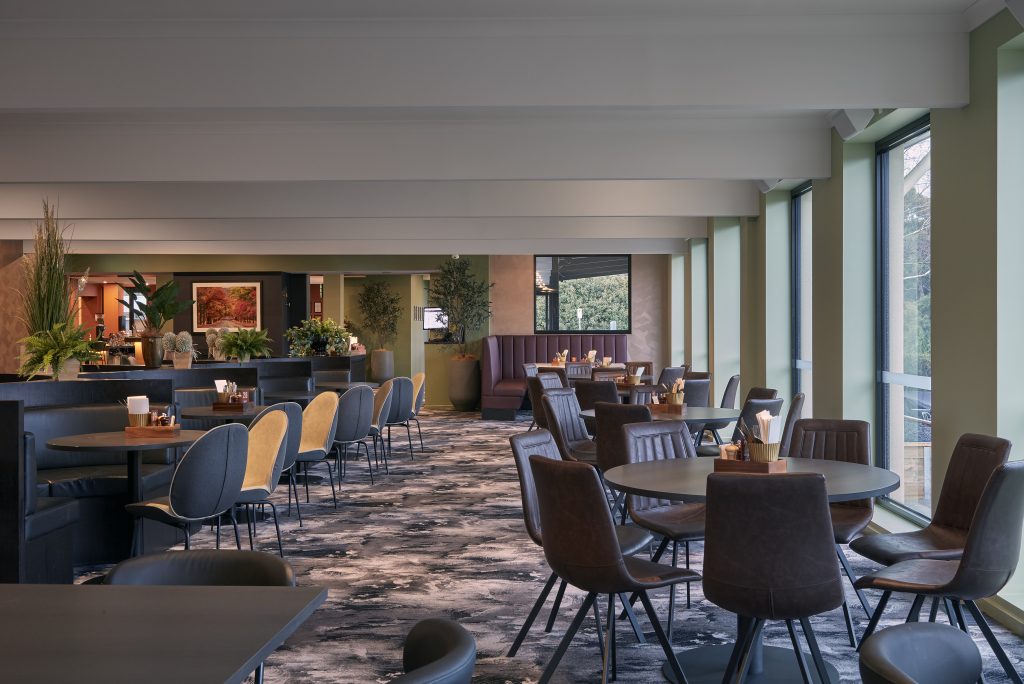
The pub’s layout makes that dual appeal obvious the moment you walk in. Large windows frame uninterrupted views of Mount Macedon, something Sally says was a deliberate design choice when they redeveloped the site.
Building a Tech-Forward Pub
While the Macedon Village Hotel leans into community and place, it’s also unapologetically modern. “We’re very techno-heavy,” says Sally. “People want to work here because it’s fun.”
“From the tourism side, it’s the way we laid it out and put the windows in,” she explains. “No one else has the view we do, locals bring their family in to see the mountain, and tourists come up for that same reason,” Sally says.
That sense of place extends to the menu and the drinks list. The bar and restaurant champion Macedon’s local producers.
“We’ve got a huge amount of local wines and spirits,” Sally says. “We’re lucky in the Macedon Ranges that there’s lots to choose from so we can really showcase some of the cold-climate wines and gins that Macedon is known for, which locals are excited to drink and when tourists come up they want to drink local too.”
Relationships with producers are growing organically. Many approached the hotel after seeing its early success. “We want to work with them, and they want to be in our venue,” Sally says.
The team has invested heavily in systems that make work efficient and engaging, including bump screens in the bar for cocktails. It’s the kind of setup that makes hospitality jobs attractive again, especially to younger staff.
“For our young local kids,16 to 19 years old, this is their first hospitality job,” Sally says. “They love it because of the training, the nice people, the vibe and the community atmosphere we’ve got.”
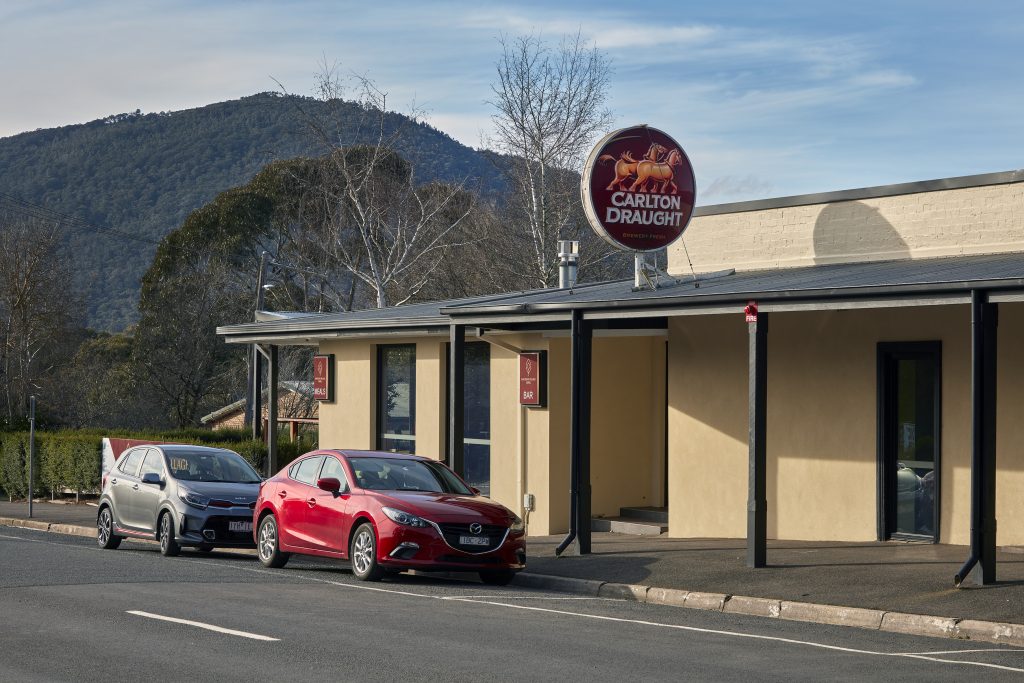
That investment in people pays off in loyalty and service quality, key ingredients in peri-urban areas where word-of-mouth shapes reputation.
“We’ve been lucky,” she adds. “Because we’re new and well-set-up, we’ve been able to attract the best of the best and we’re busy enough to give them good hours.”
“No-Man’s-Land”
Running a hospitality business in the peri-urban fringe brings unique logistical headaches.
Macedon is regional but close enough to Melbourne to fall between categories that drive freight, supply and delivery costs.
“Transport is our biggest challenge,” Sally explains. “Some of our stock comes from Bendigo, it drives past us from Melbourne and then back to us again. It costs everyone money.”
Freight rates and delivery fees are often set for either metro or regional zones, Macedon sits awkwardly between the two. “Even getting furniture delivered, they charge a bomb because we’re not classed as Melbourne,” she says.
“We’re in that sort of no-man’s-zone.” It’s a microcosm of the broader structural challenge for peri-urban hospitality: close enough to benefit from metropolitan audiences but distant enough to miss out on metropolitan infrastructure.
Finding the Balance
For Sally, the future of peri-urban hospitality depends on how well publicans manage that dual identity, rooted in local loyalty and buoyed by visitor spend.
“You want to be in an area that has lots of tourists because they come and want to spend on experiences, and if you provide the right offering, it’s great for your business,” she says. “But your day-to-day has to be your locals so we want to do things specifically for them.”
The Macedon Village Hotel’s approach has been to make locals part of the story from day one, involving community groups, schools, and sporting clubs in events and fundraisers, while ensuring the venue itself feels like a local’s pub first and foremost.
“We’ve gone in more local-friendly than we have with any of our other venues,” she says. “Be welcoming, have them involved along the journey, make it great for them, because they’re the ones who’ll spread the word. The tourists will come anyway if you position yourself right.”
Lessons for the Next Wave
As peri-urban regions continue to expand around Victoria, publicans see both opportunity and caution. Above all, Sally says, it’s about people.
“Customers will forgive you if things aren’t quite right but they’ve had great smiles and awesome service,” she says. “So you need your team engaged to provide that. Your team is everything.”
At Macedon Village Hotel, the view might be the first thing that draws you in, but it’s the feeling that keeps you there.
Between city and country, old and new, local and visitor, it’s a living example of how Victoria’s peri-urban pubs are redefining what “hospitality” means in the modern era.