
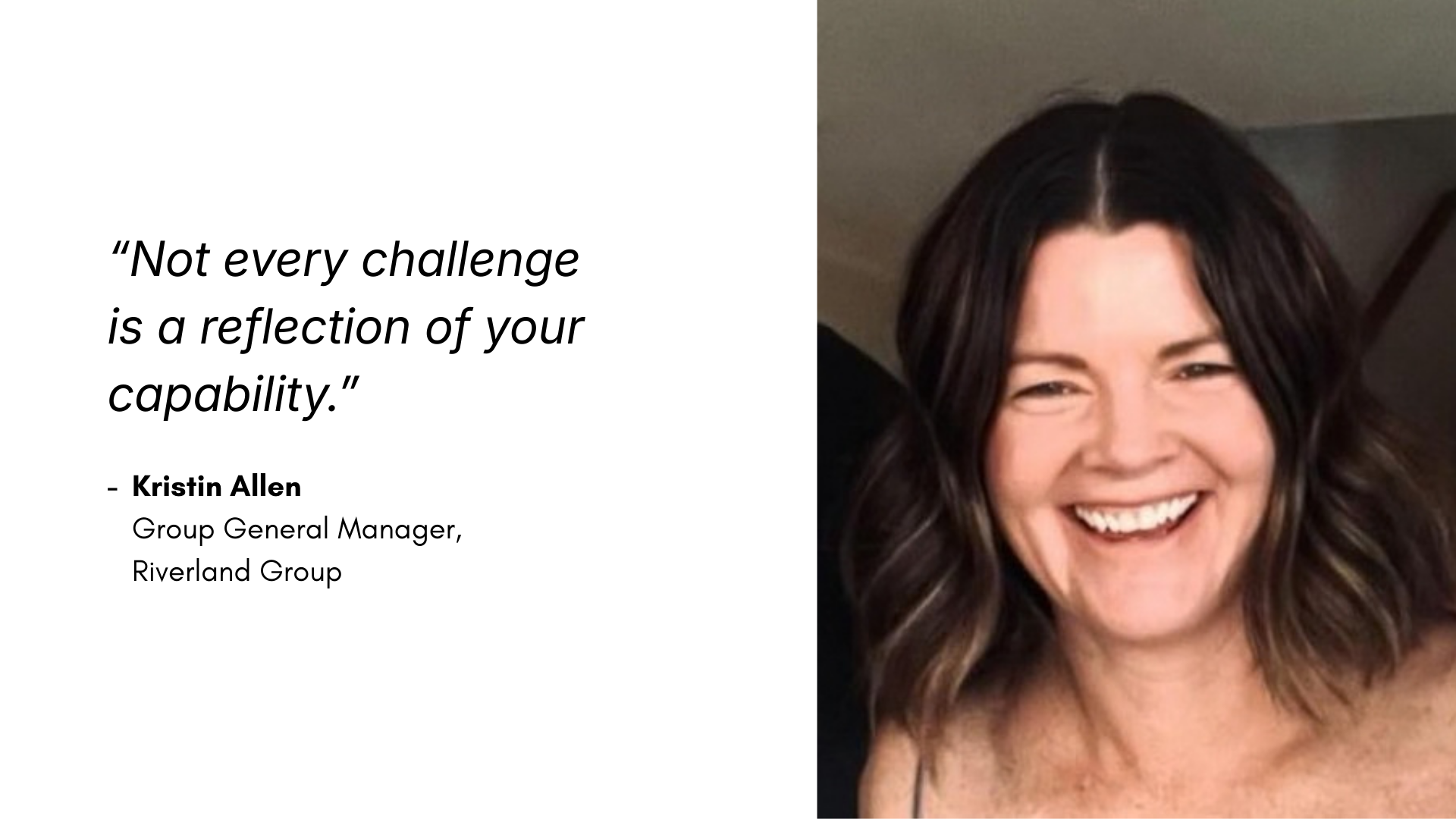
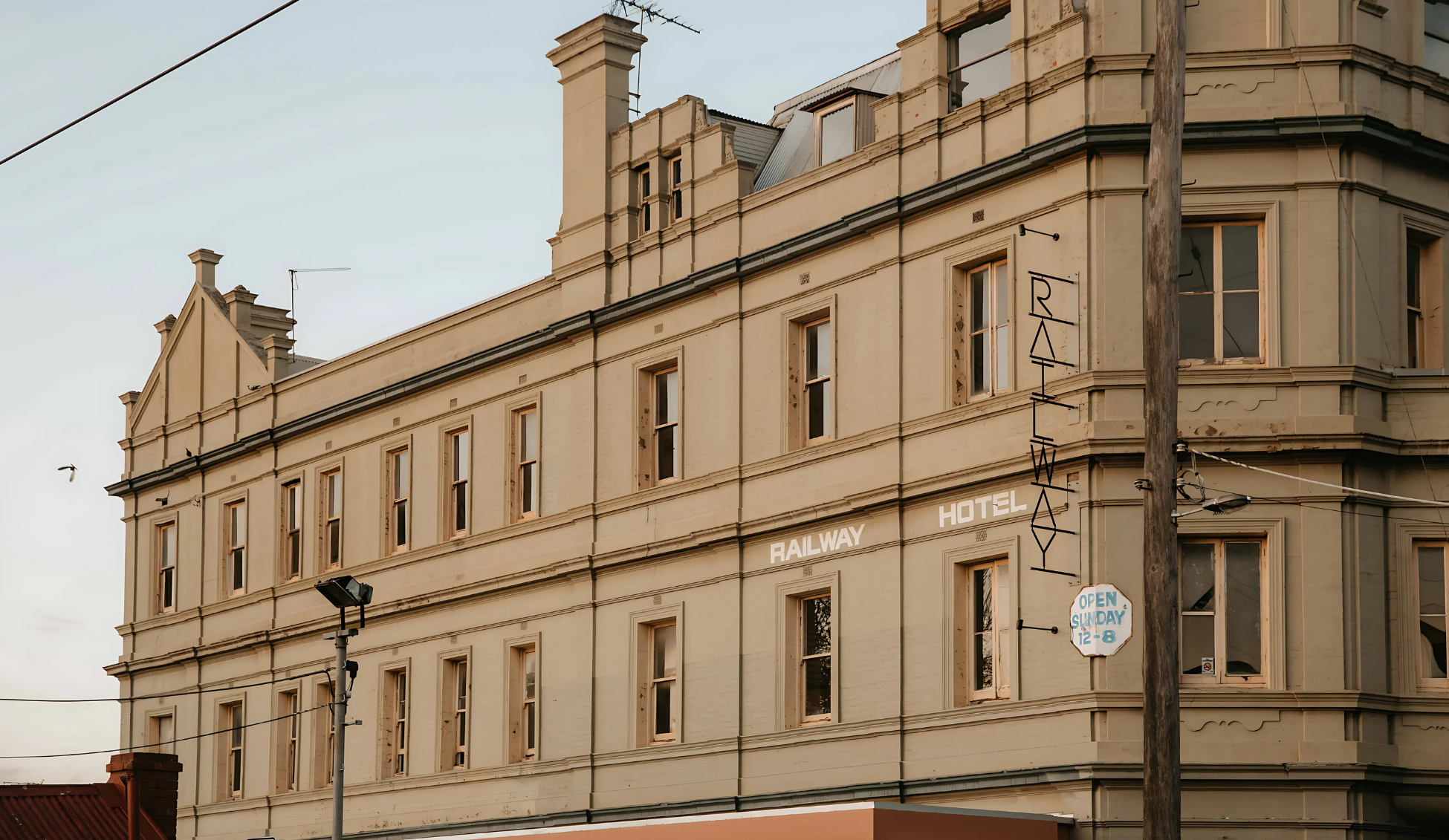
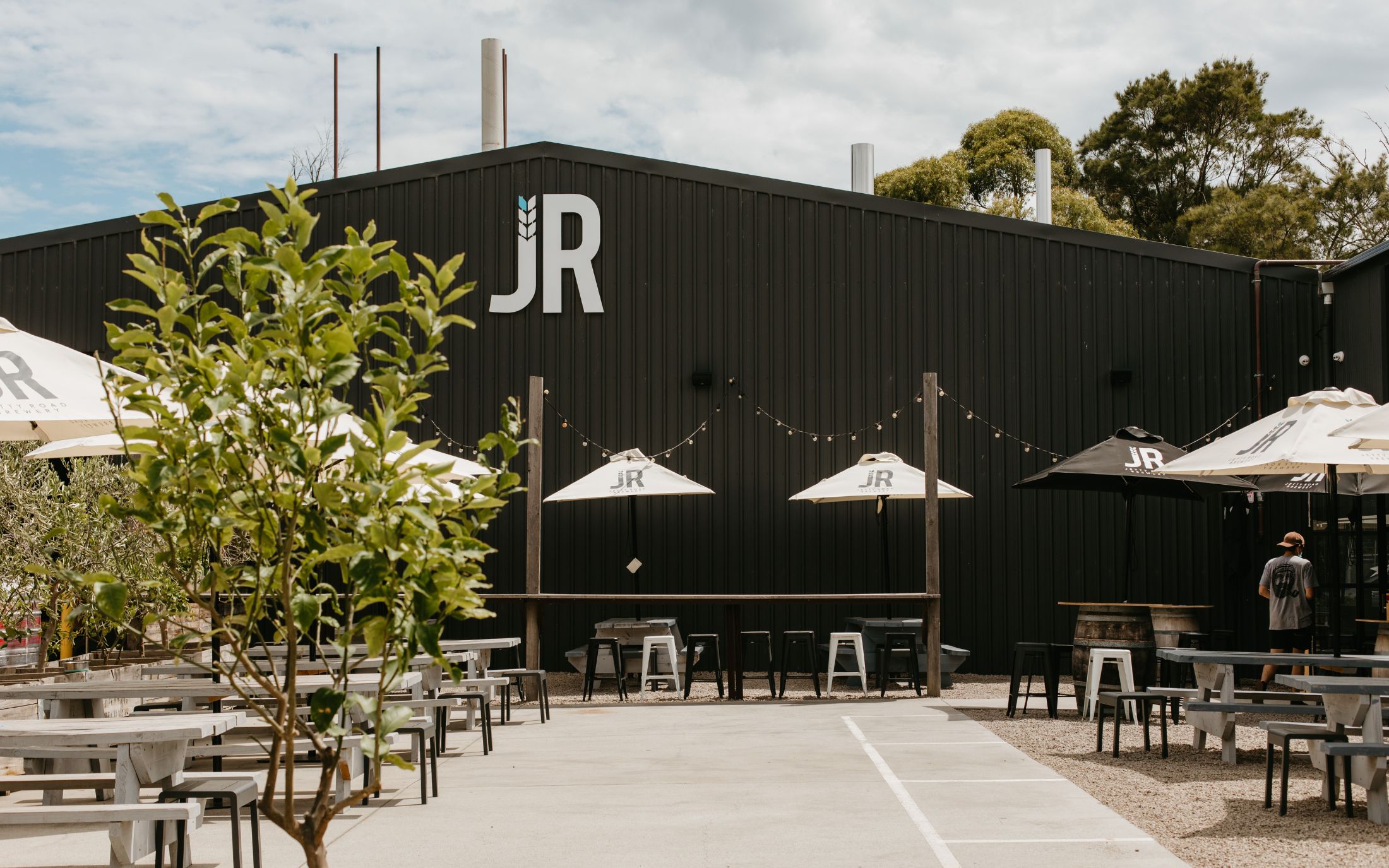
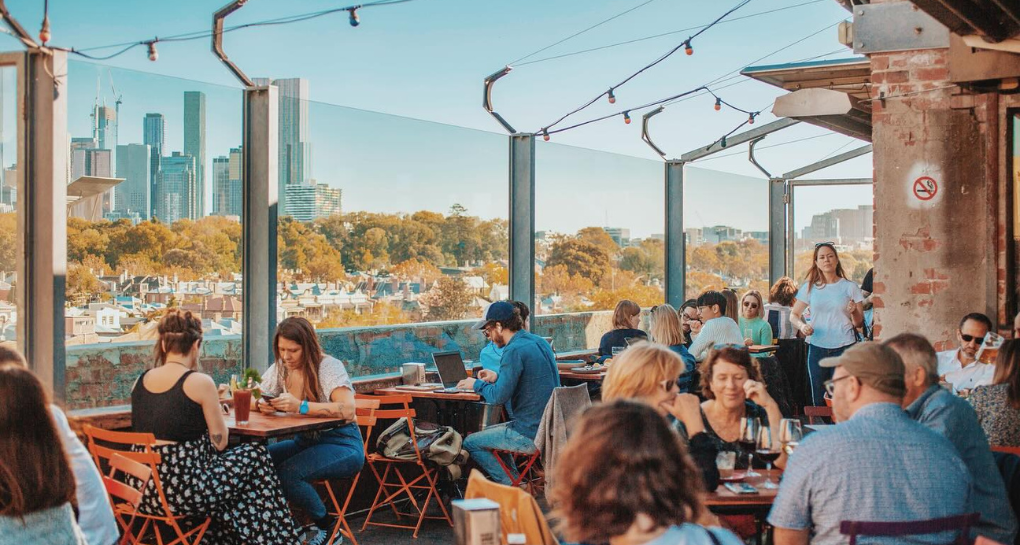
As Group General Manager of Riverland Group, Kristin Allen oversees some of Victoria’s best‑known hospitality venues, including Riverland Bar, The Boatbuilders Yard, The General Assembly, Hotel Railway, Naked for Satan and Jetty Road Brewery in Dromana. With such a diverse mix of riverfront, inner‑city and coastal destinations, Kristin has a unique perspective on leading large teams, building strong culture and creating opportunities for women to build long-term careers in hotels and hospitality.


What are some of the unique challenges in leading a group that spans riverfront venues in Melbourne and regional destinations like Dromana?
Operating across the CBD and suburbs of Melbourne as well as in Dromana means you’re leading very different environments under one brand. In the city, it’s fast paced – corporate trade, tourism, major events and constantly shifting foot traffic. In Dromana, the seasonality is much more pronounced. You have big holiday peaks and then much quieter periods that require careful planning and strong local engagement to keep things steady.
The biggest challenge isn’t the distance, it’s alignment. Making sure standards, culture and expectations are consistent, while still allowing each venue to reflect its community. That really comes down to strong leaders on the ground, being clear on what’s non-negotiable, and being visible and available.
The talent landscape is different too. Metro and regional areas draw from different pools, so development and succession planning need to be deliberate.
As a woman leading one of Victoria’s most recognisable hospitality groups, what leadership qualities do you lean on most day‑to‑day?
Clear communication is probably the biggest one. Hospitality can turn reactive very quickly, so my job is to cut through the noise and focus on what actually matters, commercially and culturally.
I try to stay calm and consistent. Teams take their cue from leadership, so if you’re steady, it helps everyone else stay steady. Fairness is important to me as well. Standards don’t change, but people need context and clarity. You can absolutely be commercially focused and still lead with empathy and resilience, because this industry will always throw something at you. Cost pressures, staffing issues, regulatory shifts. You have to keep looking forward rather than getting caught up in the moment.
What practical things can venue owners and senior leaders do to create workplaces where women can thrive, from casual roles through to executive positions?
It comes down to structure and behaviour, not just messaging.
Clear pathways, transparent expectations and regular development conversations make a real difference. In hospitality, we often promote people because we need to fill a gap, rather than because we’ve properly developed them.
Flexibility also matters, but it needs to be thought through properly. If we want women to stay in the industry long term, roles and rosters have to evolve with different life stages.
Zero tolerance for inappropriate behaviour is non-negotiable, and that only works if leaders genuinely act on it. And finally, advocacy. Bring women into commercial discussions. Involve them in budgets and performance conversations early. Put them forward for stretch roles. Confidence comes from exposure.
If you could give your younger self some advice at the start of your hospitality career, what would it be?
Back yourself sooner, take personal responsibility for your own success. You don’t need to feel completely ready before stepping into the next role; you grow into it.
I also think it is also really important that you don’t take everything personally. Hospitality is intense – feedback, pressure, personalities. Not every challenge is a reflection of your capability.
Mentors and networks can make a big difference. How have professional networks and initiatives like Women in Hotels helped you or your peers?
Leadership can be isolating at times so you need to seek out and put effort into building your network.
Forums like Women in Hotels give you a space to have honest conversations with people who genuinely understand the industry. They also create visibility. Seeing other women leading major venues or groups makes leadership feel more attainable.
But the biggest impact is advocacy. A lot of opportunities come from recommendation, and strong networks mean women are being put forward for roles and projects they might not otherwise have access to, and that’s where you start to see real change.